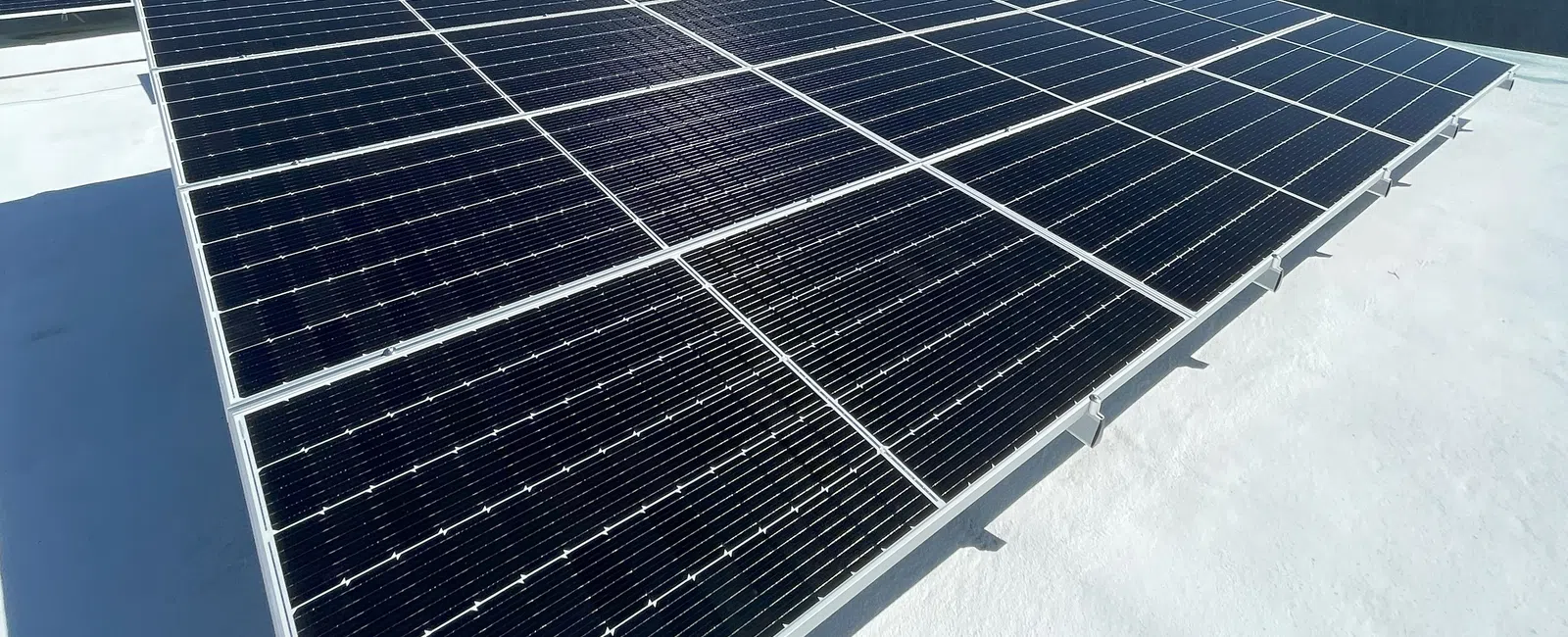
Having Solar requires maintenance, but very little of it. Your system has no moving parts and nothing to refuel, so a well-installed array can run for years with only a little attention. That attention comes down to keeping the panels reasonably clean, keeping an eye on your production, and having the electrical parts checked now and then, and most of it falls on the professionals rather than the owner.
What maintenance really means for solar
A solar system mostly takes care of itself. It generates power every day without you doing a thing, and its upkeep comes down to three easy steps: keep the panels clean, monitor your production, and have a pro look over the electrical components once in a while.
We've installed and serviced solar systems across Marin, Sonoma, and Napa since 1984, so we know what keeps North Bay systems running strong.
Cleaning, and why the rain does most of it
For most North Bay homes, the winter rains keep the panels clean enough on their own. Clean panels do make a little more power, but the difference is usually smaller than people expect, and the rain handles most of it for free. A rinse is worth it after a long dry summer, when dust and pollen build up, or when birds have been busy overhead. If your production dips during a dry stretch, a rinse usually brings it back. If you want to do it yourself, cleaning your panels is a ground-level job, never a rooftop one.
How you clean matters, though. Scrubbing pads and harsh cleaners can damage the glass coating, and a pressure washer can push water past the panel seals, so a gentle rinse with clean water is the way to go. In hard-water areas, drying can leave mineral spots, which is one more reason to let someone who does it right handle it. It's not worth the risk, and a pro with the right gear handles it safely.
Keep an eye on your production
The easiest habit is also the handiest. Your system comes with a monitoring app that shows how much power it generates each day. You don't need to check it constantly. A quick look now and then tells you it's doing its job.
Monitoring comes in two flavors worth knowing about. System-level monitoring shows the output of the whole array, while panel-level monitoring, which comes with microinverters, shows each panel individually, making it easier to see where a dip is coming from. Either way, a little seasonal change is normal, while a sudden drop in the weather that doesn't have an obvious explanation is your cue to have someone take a look. Catching a small thing early keeps it from turning into a bigger one.
Normal ups and downs
Your production naturally changes through the year. Shorter winter days and lower sunlight mean reduced output for a few months, then it climbs back up in spring and summer. That's normal and nothing to worry about. What's worth a closer look is a drop that doesn't match that expected pattern, and your monitoring makes the two easy to tell apart.
The inverter and other parts
Your panels are the part most likely to run for decades with almost no fuss. The inverter, which converts your panels' power into electricity your home can use, works harder and may need attention sooner. Replacing one over the life of a system is a normal part of owning solar, not a sign of trouble, and it's usually a planned visit rather than an emergency. If you have a battery, it has its own upkeep and warranty, too.
Keeping track of all of it is easier when one local company knows your system and can service every part of it, catching little things during a routine visit before they affect your production.
When to call in a pro
The line is simple. Anything on the ground, like checking your app or a rinse you can safely reach, is fine to do yourself. Anything on the roof or involving the wiring, inverter, or connections is a job for a licensed pro.
There are two good reasons for that. One is safety, since rooftop and electrical work carry real risk. The other is your warranties, since work by an unqualified party can put your coverage at risk. Keeping your system in service with a qualified pro protects both your system and the warranties behind it, and our look at solar panel warranties explains how that coverage works.
Our in-house service and maintenance team handles it all, from routine checks to repairs. We also service systems put in by other companies, including homeowners whose original installer has since closed, so you can have a local team looking after your system even if the company that installed it is long gone.
A system that's easy to own
A lot of what makes solar low-maintenance is a good install in the first place. A system put in right, with solid mounting and clean wiring, gives you fewer things to think about over the years. A quick professional check every few years is a cheap piece of mind for equipment meant to run for decades, and it keeps your warranties intact.
We're 100% employee-owned, we've worked across the North Bay since 1984, and we've installed more than 9,000 systems. We're licensed as a General Contractor (B) and Electrical Contractor (C-10), and we were among the first companies in California to earn the state's C-46 solar license, so the same local team that builds your system can look after it in the long run.
Want your system checked or have a question about upkeep? Contact SolarCraft or call Sonoma/Napa 707.778.0568 or Marin 415.382.7717.